E-reader vs Tablet for Reading Which One Is Better
For most dedicated reading, an e-reader beats a tablet. The e-reader vs tablet choice comes down to comfort and focus: e-ink screens reduce eye strain, batteries last weeks, and there are no notifications. A tablet wins only when you want color, apps, and video alongside your books.
For most dedicated reading, an e-reader beats a tablet. The e-reader vs tablet choice comes down to comfort and focus: e-ink screens reduce eye strain, batteries last weeks, and there are no notifications. A tablet wins only when you want color, apps, and video alongside your books.
Picture your last long reading session. Maybe your eyes felt dry after an hour on a glossy screen, or your battery died right at the cliffhanger. The device you read on shapes the whole experience, and picking the right one protects your eyes, your focus, and your wallet.
That is why the e-reader vs tablet question matters so much to book lovers. Both let you carry a whole library in one hand, yet they feel completely different in daily use. This guide breaks down eye comfort, battery life, distractions, and price so you can choose with confidence.
Alt: E-reader vs tablet comparison with an e-ink reader beside a backlit lcd tablet on a desk
How E-reader vs Tablet Screens Shape Your Reading
The biggest difference between the two devices is the screen. An e-reader uses e-ink, a technology that reflects ambient light the way paper does. A tablet uses a backlit LCD or OLED panel that shines light directly toward your eyes. This single distinction drives almost every other tradeoff in the e-ink vs lcd debate.
Eye Strain and Reading Comfort
Eye strain is the reason many readers switch to e-ink in the first place. A study on e-readers and visual fatigue found that reading on an LCD screen triggered more visual fatigue than reading on e-ink or on paper. Because e-ink has no backlight and a matte, glare-free surface, long sessions feel calmer and less tiring.
Tablets are not harmful in short bursts, and features like warm night modes help. Still, hours of backlit reading tend to leave your eyes drier and more tired, which is exactly what dedicated readers want to avoid.
Reading in Sunlight and Low Light
E-ink shines outdoors. Its reflective surface stays readable in direct sunlight, while a glossy tablet often turns into a mirror at the beach or on a patio. Popular Science explains why e-ink is easier on the eyes and closer to real paper. Most modern e-readers also add a soft front light for comfortable reading in the dark.
Battery Life That Lasts Weeks Not Hours
Battery life is one of the clearest wins for e-readers. Because e-ink only uses power when the page actually changes, a single charge can stretch across weeks of reading. Reference sources note that an e-ink battery can last for several weeks, which is impossible for a constantly lit tablet.
A tablet keeps its screen and processor busy the whole time you read, so it usually needs charging every day or two with regular use. For travelers, campers, and commuters, that gap turns the e-reader into the more dependable companion.
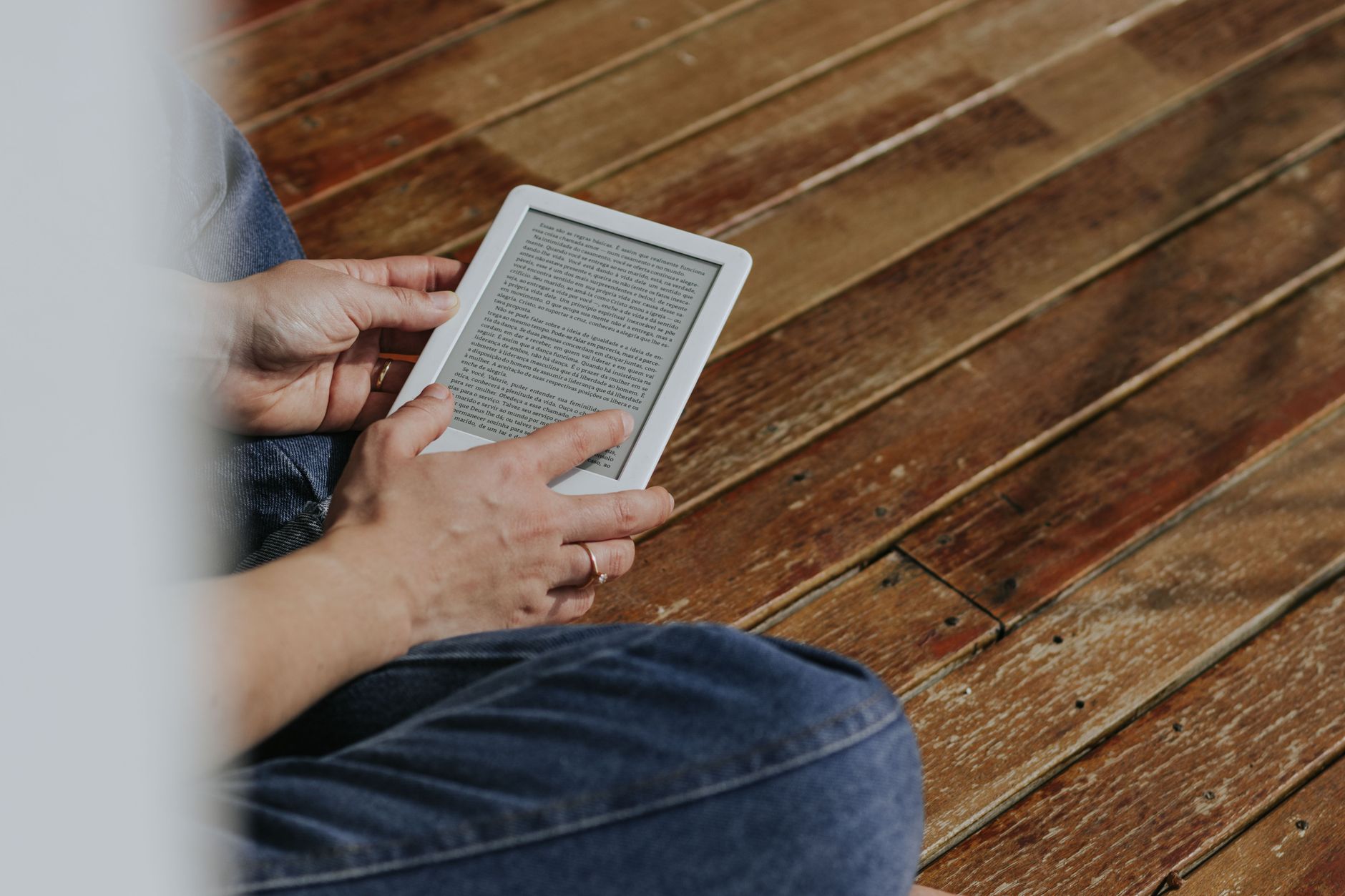
Alt: Reader enjoying an e-ink e-reader outdoors in bright sunlight with no screen glare
Distractions Focus and the Reading Experience
The reading experience is about more than screens and batteries. It is also about what your device lets you do. An e-reader does one thing, and that limit is a feature. There are no social apps, no video, and no pop-up notifications competing for your attention.
A tablet is a tiny computer, so a text or a news alert is always one tap away. That versatility is great for work and play, but it quietly chips away at deep reading. If you struggle to stay in a book, a distraction-free e-reader protects your focus.
Price and Long-Term Value
Price often seals the decision. Entry-level e-readers are among the most affordable ways to build a digital library, and even premium models usually cost less than a capable tablet. You are paying for a focused tool instead of an all-purpose gadget.
A tablet costs more, yet it replaces several devices at once by handling books, browsing, streaming, and productivity. The smarter buy depends on whether you want a pure reading device or one screen for everything.
Not sure which screen fits your habits? Think about where and how often you read, then try both an e-ink and a backlit display in person before you commit.
E-reader vs Tablet Quick Comparison
Here is how an e-reader vs tablet stacks up across the factors that matter most for reading.
| Factor | E-reader | Tablet |
|---|---|---|
| Screen | E-ink, reflective and matte | Backlit LCD or OLED |
| Eye comfort | Higher for long sessions | Lower over many hours |
| Battery life | Weeks per charge | Hours to a day or two |
| Distractions | Almost none | Apps, alerts, and video |
| Color and media | Limited, mostly black and white | Full color and multimedia |
| Weight | Light and pocketable | Heavier in the hand |
| Price | Usually lower | Usually higher |
| Best for | Long, focused reading | Versatile, mixed use |
Alt: Close-up comparing matte e-ink text with a glossy lcd tablet screen for reading comfort
Which One Should You Choose
Your reading habits decide the winner. Match the device to the way you actually read rather than to the longest spec sheet.
Choose an e-reader if:
- You read novels for hours and want the least eye strain.
- You value a battery that lasts weeks and works in bright sun.
- You want a quiet, distraction-free reading experience.
Choose a tablet if:
- You read comics, textbooks, or magazines that need full color.
- You want one device for books, video, browsing, and apps.
- You read in shorter sessions and like interactive content.
Conclusion
The e-reader vs tablet decision really comes down to how you read. For long, focused sessions, an e-reader delivers better eye comfort, weeks of battery life, and fewer distractions, while a tablet rewards readers who want color, apps, and versatility in one screen. Many book lovers happily keep both. Weigh your priorities, test the screens yourself, and pick the device that turns reading back into a pleasure.
Frequently Asked Questions
Is an e-reader vs tablet better for reducing eye strain?
In the e-reader vs tablet matchup, the e-reader is usually gentler on your eyes. E-ink reflects ambient light like paper instead of firing a backlight at you, and research on visual fatigue found LCD reading tired people faster than e-ink or print. For long sessions, an e-reader feels more comfortable.
How long does an e-reader battery last compared to a tablet?
An e-reader battery is built for endurance. Because e-ink only draws power when the page changes, a single charge can last weeks of regular reading, according to reference sources. A tablet keeps its screen lit constantly, so it often needs charging every day or two. For travel and long commutes, the e-reader wins.
Can a tablet replace an e-reader for reading books?
A tablet can display e-books through reading apps, so it can replace an e-reader if you value versatility. It handles comics, textbooks, and color magazines beautifully, and it runs email, video, and games too. The tradeoff is comfort and focus, since backlit screens and notifications tire your eyes. For pure reading, the e-reader still leads.
Which is cheaper an e-reader or a tablet?
Entry-level e-readers are usually cheaper than comparable tablets, and premium e-readers still tend to cost less than high-end tablets. You are paying for a focused reading tool rather than a full computer. Factor in battery longevity and durability, and the value gap widens over time. A tablet costs more but bundles many functions.